
 By Magdalena Sanchez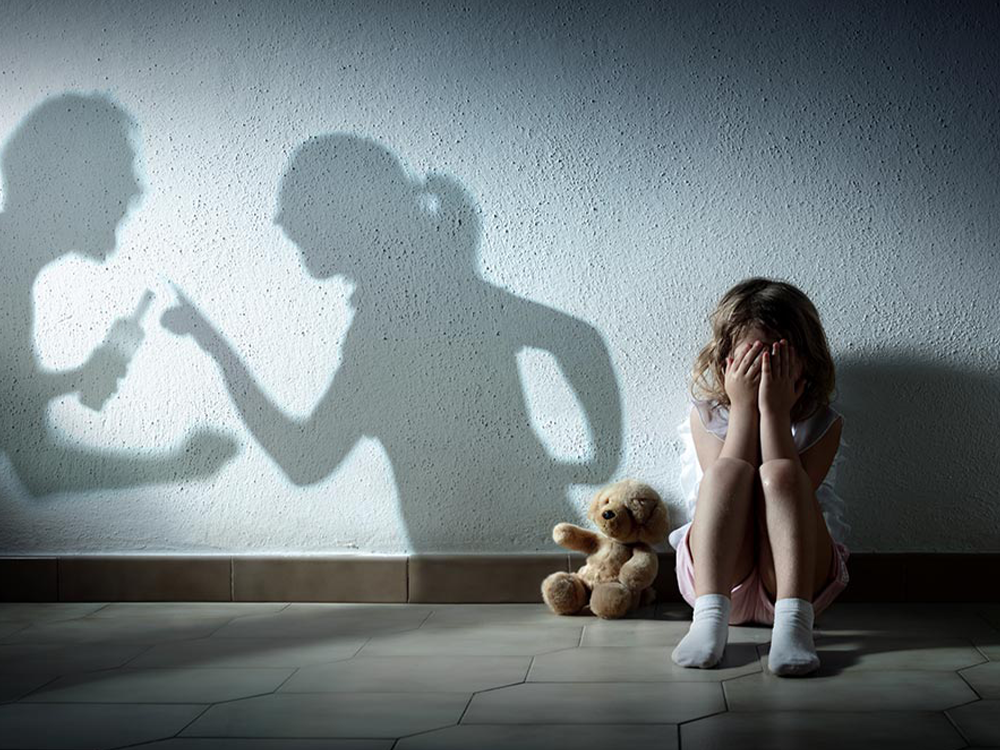
EFFECTS OF FAMILY VIOLENCE ON VICTIMS
Summary:
Family violence causes severe physical, emotional, and psychological harm, especially to women and children. Its effects include injuries, illness, depression, and, in some cases, death. Children who grow up in violent homes often reproduce these patterns, affecting their development and relationships. This violence extends beyond the household and is reflected in society. Prevention begins with the example set at home.
Family violence is one of the leading causes of suffering among women, regardless of age. Its impact surpasses that of automobile accidents, sexual assault, or robbery. Emotional and psychological abuse inflicted by perpetrators can be more difficult to heal than physical aggression. According to the World Health Organization, violence has devastating effects on victims’ physical, sexual, and reproductive health and may even increase the risk of HIV infection. ¹
Among the most common effects on women are physical injuries, unwanted pregnancies, induced abortions, sexually transmitted infections, depression, post-traumatic stress disorder, and addictions to tobacco, alcohol, or drugs. Added to this is the high economic cost: healthcare services, social services, legal assistance, and loss of labor income are just some of the collateral impacts. Victims also frequently experience social isolation, low self-esteem, depression, chronic pain, permanent physical damage, and, in extreme cases, death. ²
In a report published in 2015, the National Coalition Against Domestic Violence (NCADV) notes that victims of intimate partner violence face a significantly higher risk of contracting HIV or other sexually transmitted diseases, due to forced sexual relations and prolonged exposure to stress. In addition, there is a clear correlation between this type of victimization, depression, and suicidal behavior. ³
Effects on the family and on childhood
Children who grow up in homes marked by domestic violence also suffer serious consequences, whether the abuse is verbal, emotional, or physical. Witnessing or experiencing these situations profoundly affects their emotional development, mental health, and ability to establish healthy relationships in adolescence and adulthood. The impact depends on multiple factors, including the child’s age and the frequency of abuse. Frequently, these children are victims of neglect, which makes them especially vulnerable to other forms of abuse and exploitation. ⁴
Violence in the home is reflected in communities: it spills into streets, schools, and other public spaces. Witnessing domestic violence is often more harmful than witnessing violence in the community or through the media. Children are more affected by violent patterns in their immediate family environment than by any other external stimulus. ⁵
Children exposed to this type of violence learn harmful relational models. They internalize the idea that power and control are legitimate methods for resolving conflict, that threats are normal practices, and that it is unnecessary to apologize or take responsibility for harmful actions. This perpetuates an intergenerational cycle of violence.
Specific risks for girls and adolescents
Research indicates that girls who witness violence against their mothers are more likely to tolerate abuse in their future relationships. Without appropriate intervention, whether through the legal system or support programs, the negative effects of this exposure emerge during adolescence or adulthood, affecting emotional, physical, and social health. ⁶
Some of the most frequent consequences among children and adolescents who have grown up in violent family environments include:
- Destructive behaviors: self-harm, suicide attempts, violence toward others, school bullying, theft, or even homicide.
- Physical and mental health problems.
- Substance use.
- Early initiation of sexual activity, often without protection.
- Unwanted adolescent pregnancies.
- Low self-esteem and feelings of guilt and shame.
- Poor academic performance and learning difficulties.
- Difficulty establishing healthy social relationships.
- A predisposition to resolve conflicts through violence.
Conclusion
Family violence is neither a private nor an individual matter; it is a collective problem. Although it often begins within the home, its consequences radiate outward into society, affecting the well-being of children and adolescents who later reproduce patterns of violence in their communities. The family is the first school of behavioral learning; children not only listen to our words but also imitate our actions. Therefore, preventing violence begins at home—and with it, the possibility of building a more just, compassionate, and abuse-free society.
References
[1] World Health Organization, Violence against women: Intimate partner and sexual violence against women, Geneva: WHO, 2021.
[2] Heise, Lori L., et al., “Violence against Women: A Global Public Health Crisis,” CMAJ 164, no. 9 (2001): 1389–1391.
[3] National Coalition Against Domestic Violence, Domestic Violence and HIV/AIDS, 2015, https://ncadv.org/statistics.
[4] Margolin, Gayla, and Elana B. Gordis, “The Effects of Family and Community Violence on Children,” Annual Review of Psychology 51 (2000): 445–479.
[5] Edleson, Jeffrey L., “Children’s Witnessing of Adult Domestic Violence,” Journal of Interpersonal Violence 14, no. 8 (1999): 839–870.
[6] Holt, Stephanie, Helen Buckley, and Sadhbh Whelan, “The Impact of Exposure to Domestic Violence on Children and Young People,” Child Abuse & Neglect 32, no. 8 (2008): 797–810.