
 By Magdalena Sanchez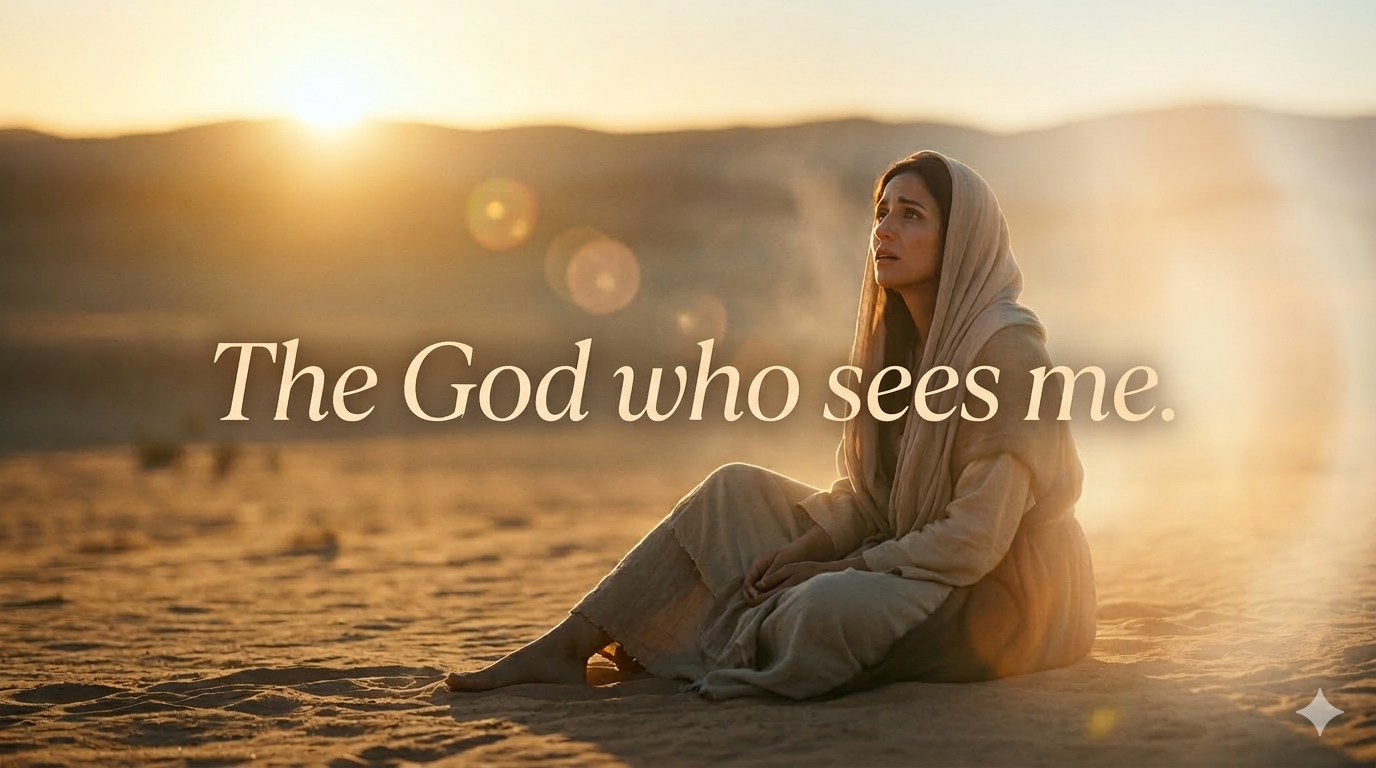
Biblical Text: Genesis 16 – Hagar
We continue with our March series, Women in the Gaze of God.
There are stories in the Bible that, if we read them carefully, invite us to pause. Not because they are spectacular, but because they are deeply human. The story of Hagar is one of them.
Hagar is not a powerful woman. She has no voice in the decisions that shape her life. She is a slave, a foreigner, a woman. Her body is used to solve the problem of others, and when she is no longer useful, she is rejected and cast out. Hagar is sent into the desert—that place where life becomes uncertain and dignity seems to disappear.
And yet, it is precisely there that something extraordinary happens.
God sees her.
It is not Sarah who sees her. It is not Abraham who protects her. It is not the family or religious structure that responds to her suffering. It is God who breaks the silence.
Amid abandonment, the text tells us that the angel of the Lord finds her. But what is most profound is not only that God finds her, but that God recognizes her, calls her by name, and listens to her. God does not speak to her from a place of power, but from the recognition of her pain.
And then something theologically radical happens.
Hagar gives God a name:
“The God who sees me.”
This detail is striking. Throughout Scripture, it is rare for someone to name God from their own lived experience. And the one who does it here is not a patriarch, a prophet, or a religious leader. It is a marginalized, wounded enslaved woman.
Hagar names God from her suffering.
This reveals a profound truth:
God is not revealed only in spaces of power, but in places of pain.
For many women today—especially those who have experienced abuse, violence, abandonment, or silence—this story carries immense power. Because too often, women’s suffering is not seen, not named, not validated. It is ignored, minimized, or even justified.
But Hagar’s story tells us something different.
God sees what others do not see.
God hears what others silence.
God becomes present where dignity has been broken.
The gaze of God is not indifferent. It is not distant. It is a gaze that recognizes, restores dignity, and opens the possibility of life in the midst of the desert.
That is why reading Hagar’s story today is not just a biblical exercise. It is an act of theological resistance. It is to affirm that women’s pain is not invisible to God. That their stories are not secondary. That their experience also reveals who God is.
Perhaps one of the most urgent questions this text leaves us with is this:
Are we seeing what God is already seeing?
Because if God sees the suffering of women, then faith can no longer remain blind to it.