
 By Magdalena Sanchez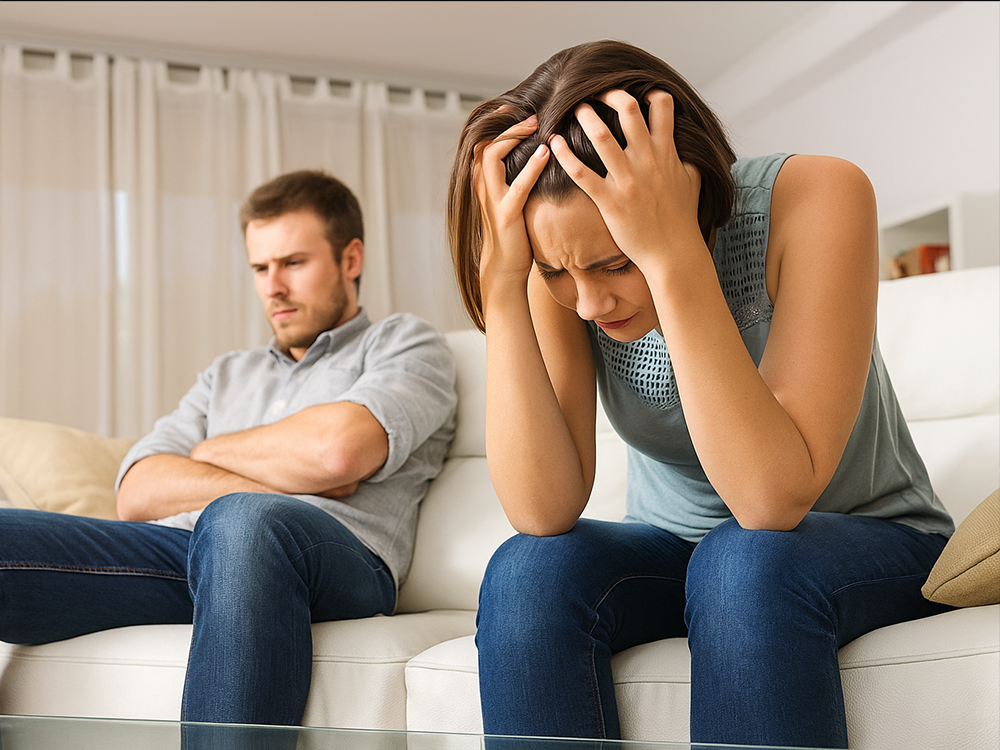
The Dynamics of Domestic Violence
Domestic violence follows a cycle made up of tension, explosion, reconciliation, and apparent calm. This pattern repeats itself and makes it difficult for the victim to leave the relationship due to emotional, social, cultural, and economic factors. Understanding this dynamic is key to preventing violence and providing proper support to victims.
Introduction
Domestic violence does not arise spontaneously or in isolation. It is a learned behavior, perpetuated in family, cultural, and social environments that normalize unequal power in intimate relationships. Although both men and women can be victims, the vast majority of those who suffer this type of violence are women and girls. According to the World Health Organization, approximately 1 in 3 women worldwide has experienced physical or sexual violence by an intimate partner.¹
Understanding how the dynamic of domestic violence works is essential for preventing it and for compassionately supporting victims. This essay analyzes the characteristic cycle of violence, its phases, and the factors that prevent many women from breaking free of this destructive pattern.
The Cycle of Domestic Violence
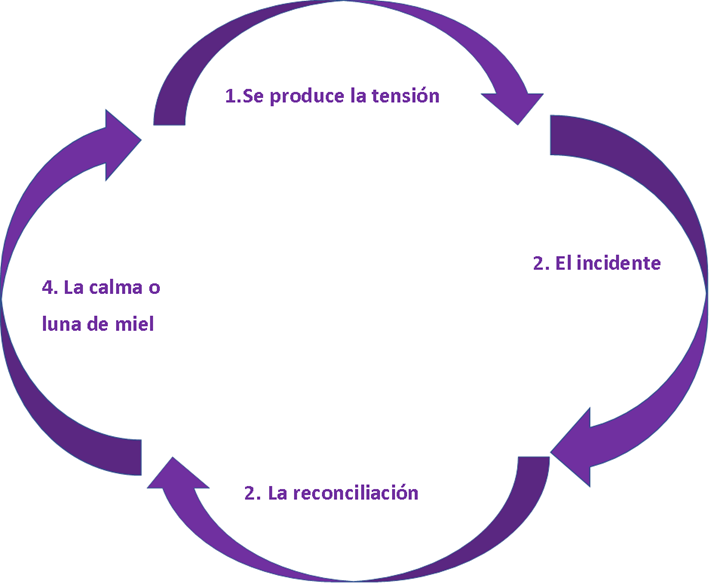
Domestic violence follows a cyclical pattern, made up of stages that repeat and reinforce the victim’s continued presence in the abusive relationship. This pattern is known as the cycle of violence, a model initially developed by psychologist Lenore Walker. ² The cycle consists of four main phases:
Phase 1: Tension Building
In this stage, tension progressively increases. Communication breaks down, the abuser becomes easily irritated, and the victim feels as if she is walking on a tightrope. The victim often tries to appease or please the abuser, take the blame, or change her behavior in the hope of preventing violence. However, nothing the victim does can prevent the eventual outburst.
Phase 2: Incident or Explosion
This is the most violent and visible phase of the cycle. It manifests as physical assaults, sexual abuse, threats, destruction of property, or verbal attacks. These episodes are unpredictable and are not caused by anything the victim has done. They are an expression of the abuser’s desire for control, not a justified impulsive reaction. ³
Phase 3: Remorse and Reconciliation
After the explosion, the abuser may express remorse. He apologizes, promises to change, justifies his actions, or blames the victim. He may deny or minimize the abuse. This apparent “reconciliation” reinforces the victim’s hope that change is possible, making it even harder to leave the relationship.
Phase 4: Calm or Honeymoon
During this stage, the abuser behaves kindly and affectionately, making promises. The victim wants to believe in the change and preserve the relationship. The abuser uses guilt and affection as tools of emotional control. But this calm is temporary: tension begins to build again, starting another cycle.
Graphic: The Cycle of Domestic Violence
Below is a graphic representation of the cycle of violence.
Factors That Make Breaking the Cycle Difficult
Escaping this dynamic is extremely difficult. Cultural, religious, social, economic, and psychological factors all contribute to the victim remaining in the abusive relationship. Many women fear retaliation, lack financial support, face judgment from their community, or have been conditioned to believethey deserve the abuse⁴ Guilt, hope for change, and the desire to keep the family together are also common reasons for staying in an abusive relationship.
It is crucial to avoid judging those who remain in situations of violence. Every story is unique, and until we walk in the shoes of an abused woman, we will not fully understand her experience.
Conclusion
Domestic violence operates within a predictable yet devastating cycle. Recognizing its phases and the mechanisms that perpetuate it is essential to offering a compassionate, effective, and transformative response. As a society, we must commit not only to denouncing abuse but also to accompanying those who suffer it, building environments and spaces, where dignity, respect, and justice prevail over fear. May God grant us a sensitive heart to walk with, accompany, weep alongside the most vulnerable.
References
[1] Organización Mundial de la Salud, Violencia contra la mujer: estimaciones mundiales y regionales de prevalencia, OMS, 2021.
[2] Walker, Lenore E., The Battered Woman, New York: Harper and Row, 1979.
[3] Bancroft, Lundy, Why Does He Do That? Inside the Minds of Angry and Controlling Men, Berkley Books, 2002.
[4] Herman, Judith L., Trauma and Recovery, New York: Basic Books, 1992.